Curriculum

school

Orchard Curriculum

Orchard School was established with the vision to provide a space for children to feel happy, loved and cared for while they learn for life. The intent of the Curriculum Frame Work at Orchard is to make every child feel at home, easing the transition from home to School into a natural and gradual process.  

The Curriculum is categorized as below:

  • Foundational Years
  • Preparatory Years
  • Middle Years
  • Secondary Years

Foundational Years

“Early Childhood years is the key to the betterment of Society”

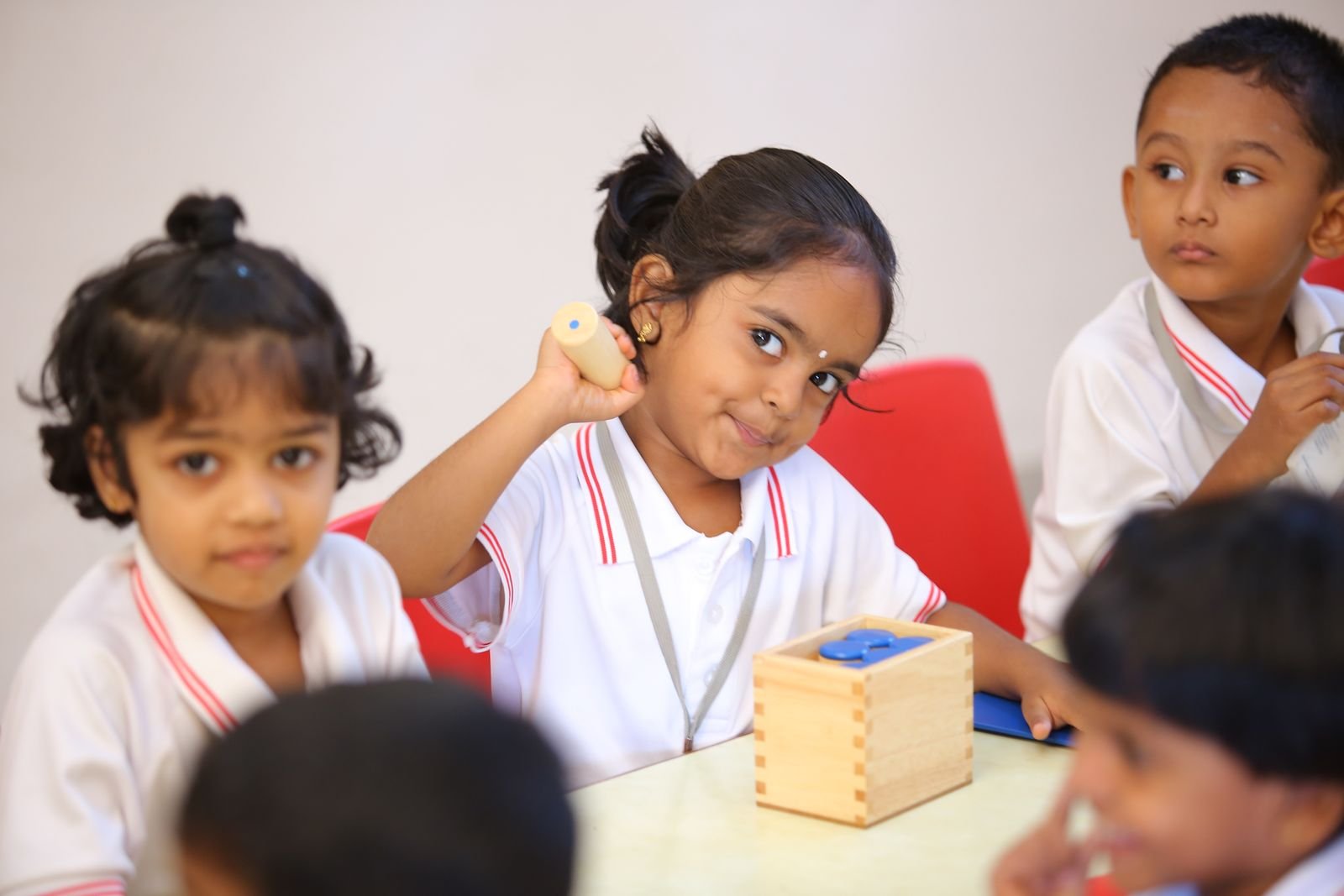
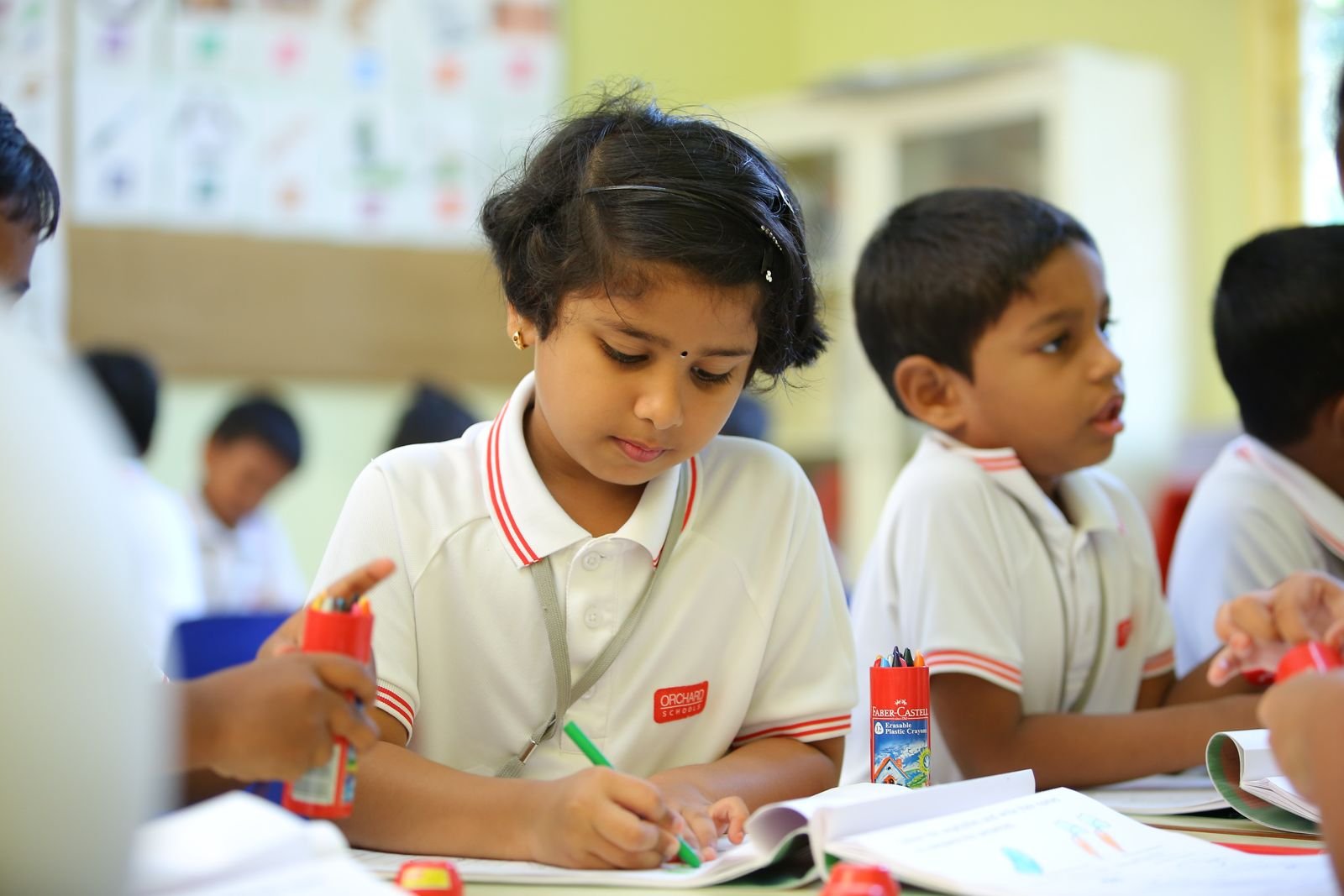
We strive to provide an environment conducive to the holistic development of every tiny tot. Our team of trained teachers ensures that a cozy home like environment is created to keep the children happy and feel secure as they learn. A culmination of Montessori and play way method of learning helps the kids the concepts with ease. The activities are planned schematically to help kids form lasting impressions on their cognitive domain. Our curriculum aims at concrete concept based learning based on the following key areas:

  • Literacy
  • Numeracy
  • Exercises of Practical life
  • Sensorial Activities
White Childrens Book Day Poster Instagram Story - Made with PosterMyWall

Literacy

‘There is in every child a painstaking teacher, so skilful that he obtains identical results in all children in all parts of the world. The only language men ever speak perfectly is one they learn in childhood, when no one can teach them anything!’

Language starts from day one in the Pre-Primary environment. The child comes with the language which he is not conscious of. The child needs to enrich and become conscious of this wealth of spoken language in him/her. To develop further, the child needs a prepared environment which enhances opportunities for direct as well as indirect learning.

Enrichment of vocabulary and phonemic awareness happens through storytelling, songs and rhymes, vocabulary drill, picture cards, planned conversation and Sandpaper letters. The child is encouraged to express his/her ideas orally first. Children are introduced to activities which help them understand and appreciate the world around them and to share their ideas and experiences with others. It is wonderful to see the ‘explosion’ into reading and writing happening in the Pre-Primary Years.

Numeracy

‘Human intelligence is no longer a natural intelligence but a mathematical intelligence. Without a mathematical education, it is impossible to understand the progress of our time or to participate in it. In its natural state, the human mind is already mathematical; it tends towards exactness, measures and comparison.’

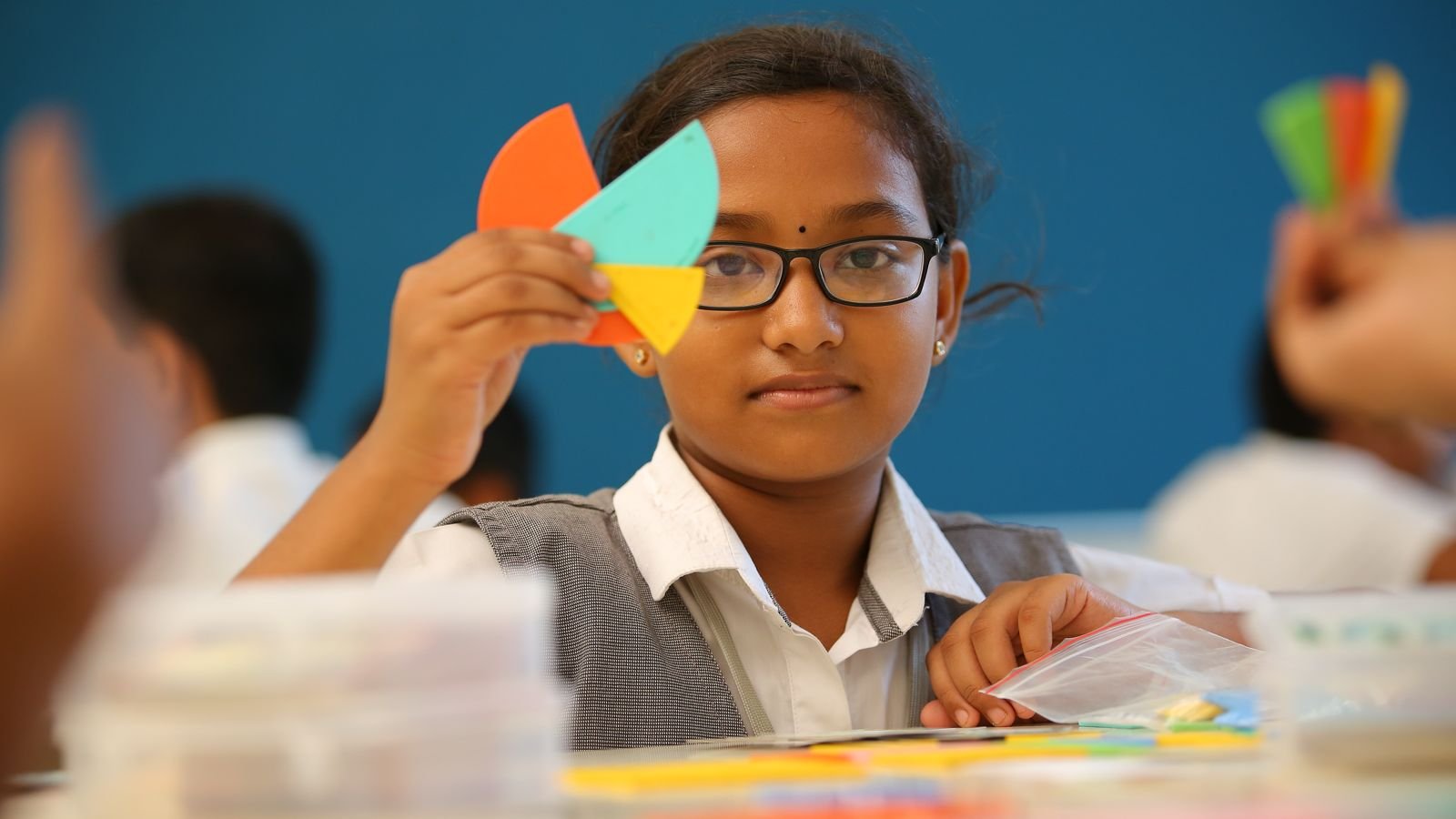
The abstract subject of math is given a concrete form through carefully planned activities. When children are introduced to numbers, the quantity is given first and then the abstract concept of symbols. Children gradually learn to associate the symbols with the abstract concept. The child is introduced to the decimal system of numeration followed by the four basic operations namely addition, subtraction, multiplication and division, introduced through parallel exercises. The Arithmetic materials which are the means of development helps the child to get clarity of the concept. When these concepts get internalised, it leads the child to carry out these operations independent of the material.

Exercises of Practical life

“The organization of man has three parts – brains, muscles, senses. Movement is the final result to which the working of all these delicate mechanisms leads up. In fact, it is only through movement that the personality can express itself”

The aim of the EPL activities is to help the child in taking care of the self, taking care of the environment, taking care of social relations and also in learning early life skills. These activities help improve the child’s hand and eye coordination, increase control in the coordination of his movement and gain independence.

Rolling and unrolling of the mat, pouring of grains from one container to another, opening and closing of containers, making of lemonade, salads, pounding of peanuts, washing hands and washing towels, gardening (Sowing seeds and watering them) are some of the activities offered under EPL. These activities help our Pre-Primary children settle in the environment and form a foundation for all other activities in their joyful environment.

Sensorial Activities

The senses are gateways to intelligence. There is nothing in intelligence that did not pass first through the senses.’

The primary purpose of the Sensorial Activities is to help the child sort out the many and varied impressions given by their senses. The Sensorial materials help refine the visual (seeing), auditory (listening), olfactory (smelling), gustatory (tasting), baric (weight), tactile (touch), thermic (change in temperature) and stereo-gnostic (feeling with the eyes closed) senses. Cylindrical Blocks, Brown Stairs, Long Rods, Pink Tower, Colour Tablets, Noise Boxes are some of the materials in the Sensorial arena. The materials follow a developmental succession and are scientific and precise. Control of error is inbuilt in the materials, this helps the child in self correction and thereby develops the child’s confidence and become independent. The child explores and discovers the concepts they have learnt through exploratory activities. Working with all the sensorial materials prepares the child inherently for reading and writing.

craft

Preparatory Years

Curriculum

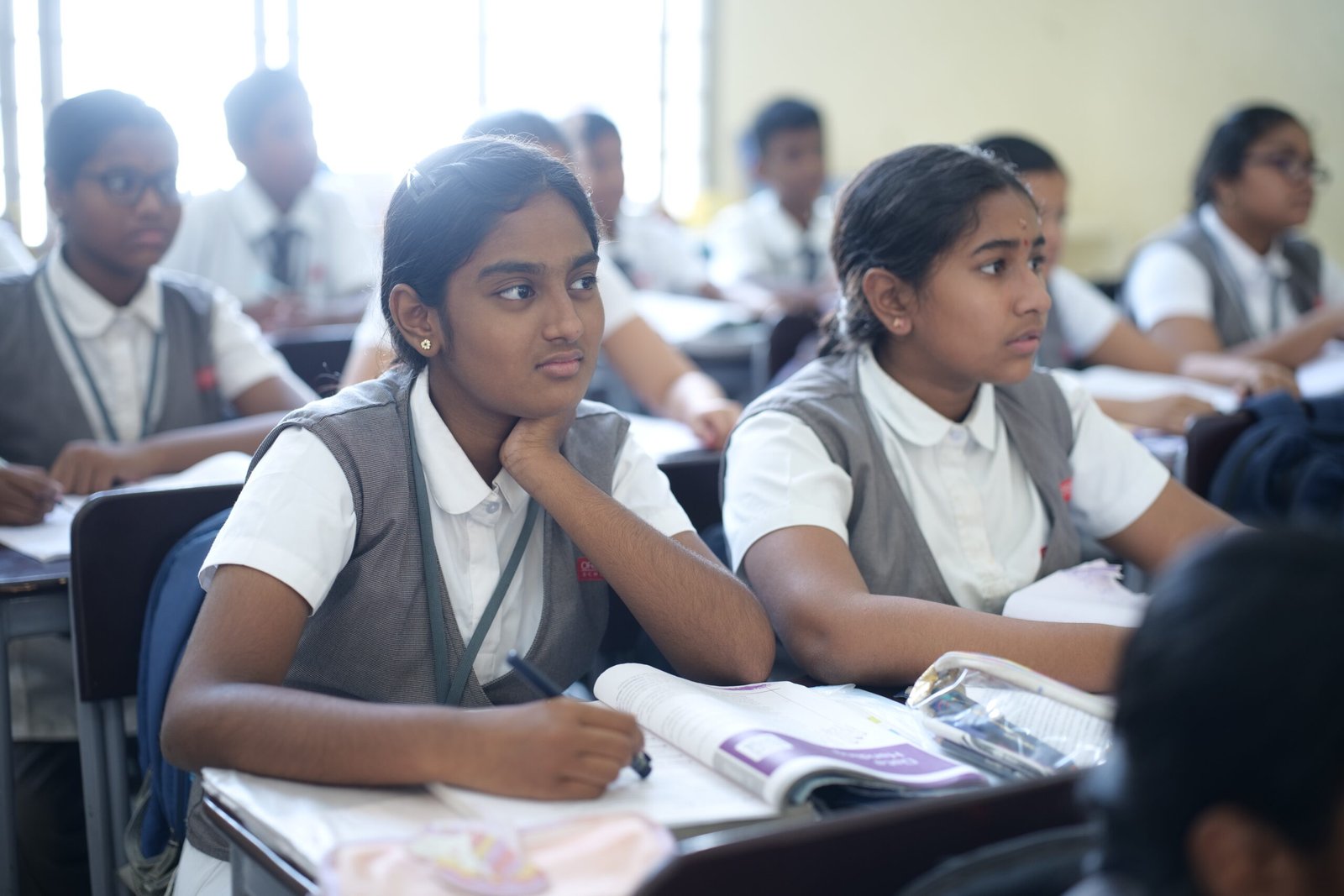
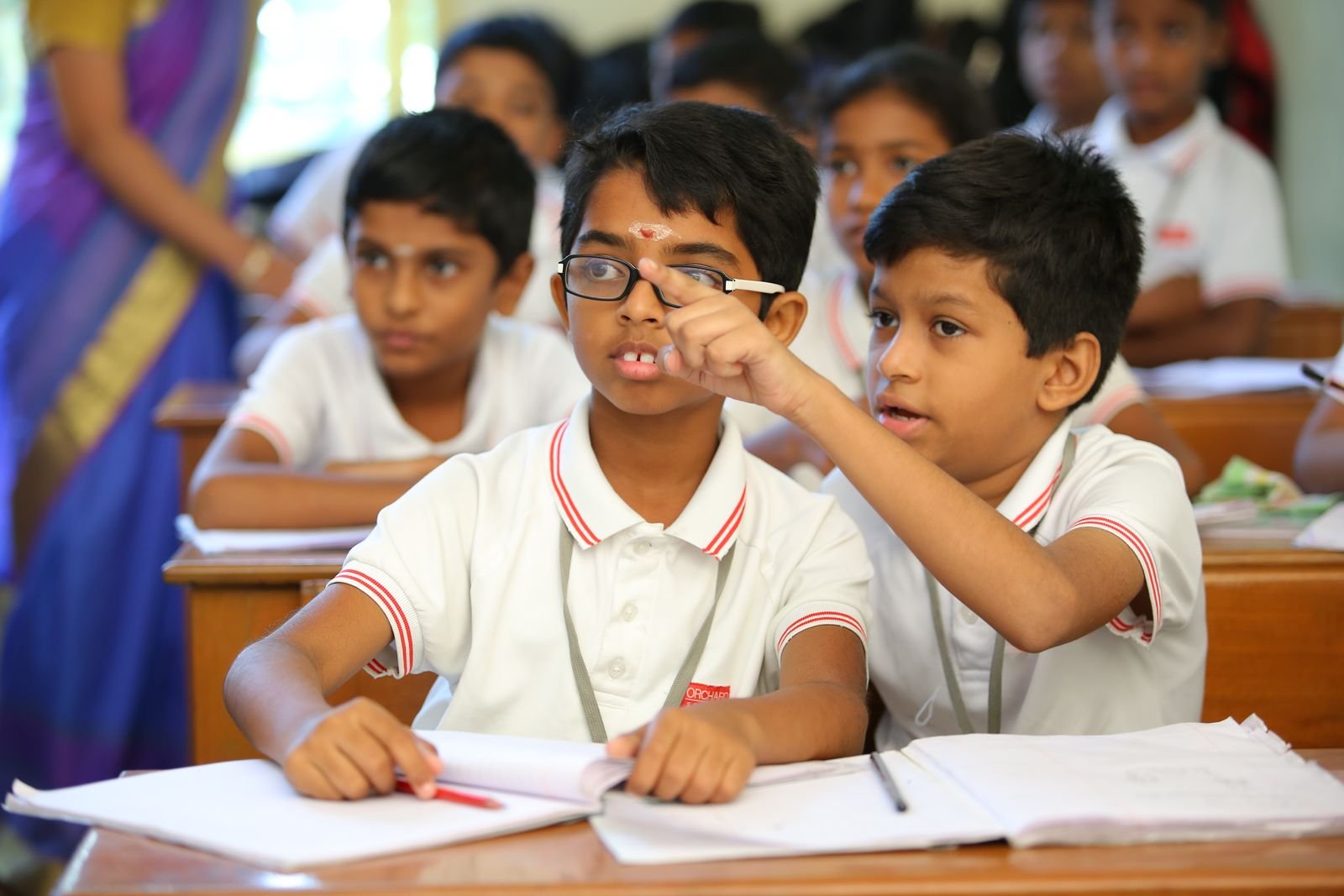
The curriculum for Preparatory Years focuses on three domains – Literacy Skills, Numeracy Skills, and Socio-emotional development. We follow a child-centric approach aimed at ensuring a joyful learning experience for our children every day at school and connecting them to real-life experiences. The curriculum focuses on forging lifelong learning competencies that go beyond transfer of knowledge and encourages a skill-oriented approach to the teaching-learning experience. It is designed to help the child develop gradually from the self to the immediate environment and further to the global level. Continuous evaluation of learning happens through formative assessments at this level. A healthy teacher-student ratio is maintained to ensure a wholesome and focused classroom experience with better student engagement.

Socio-Emotional Development

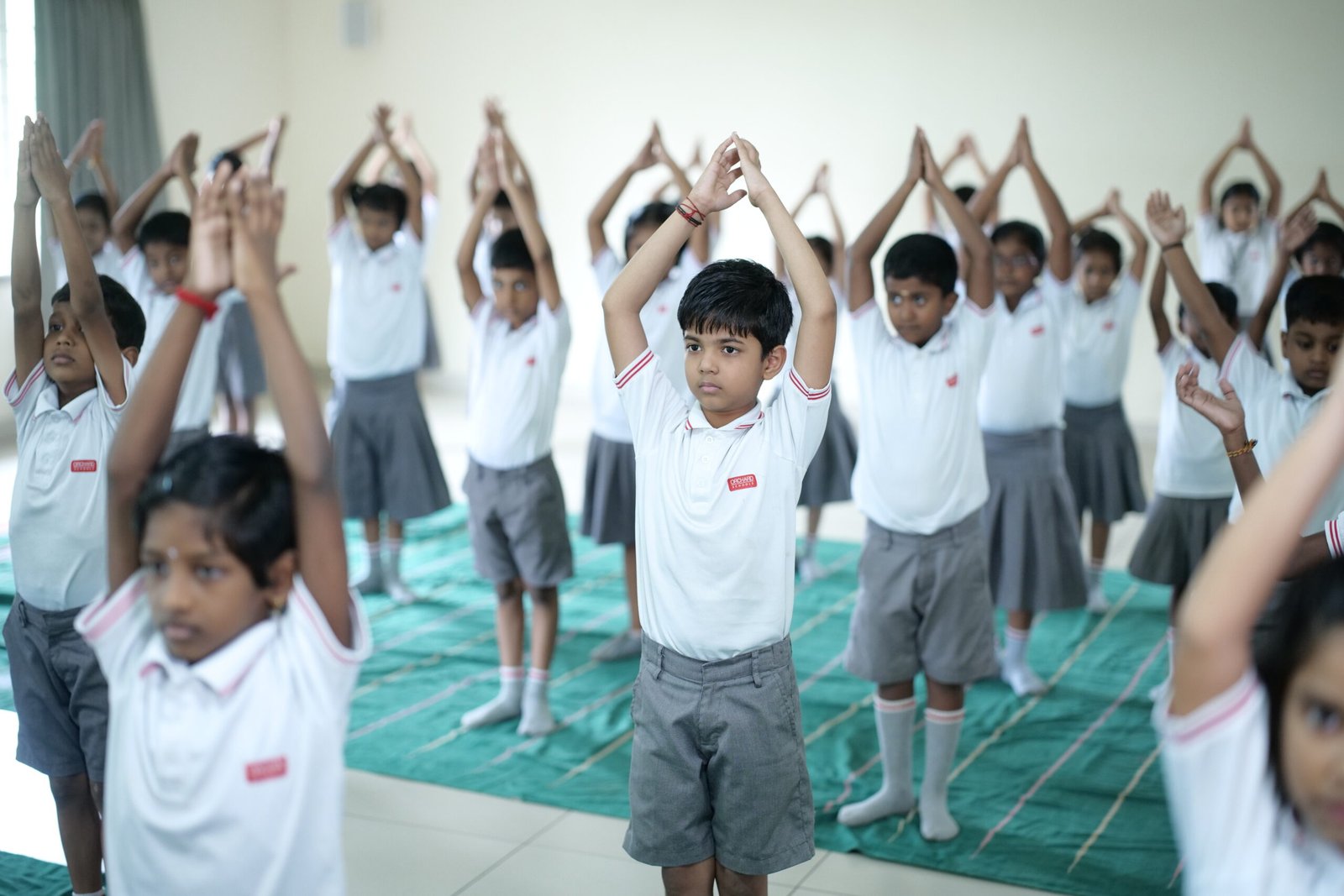
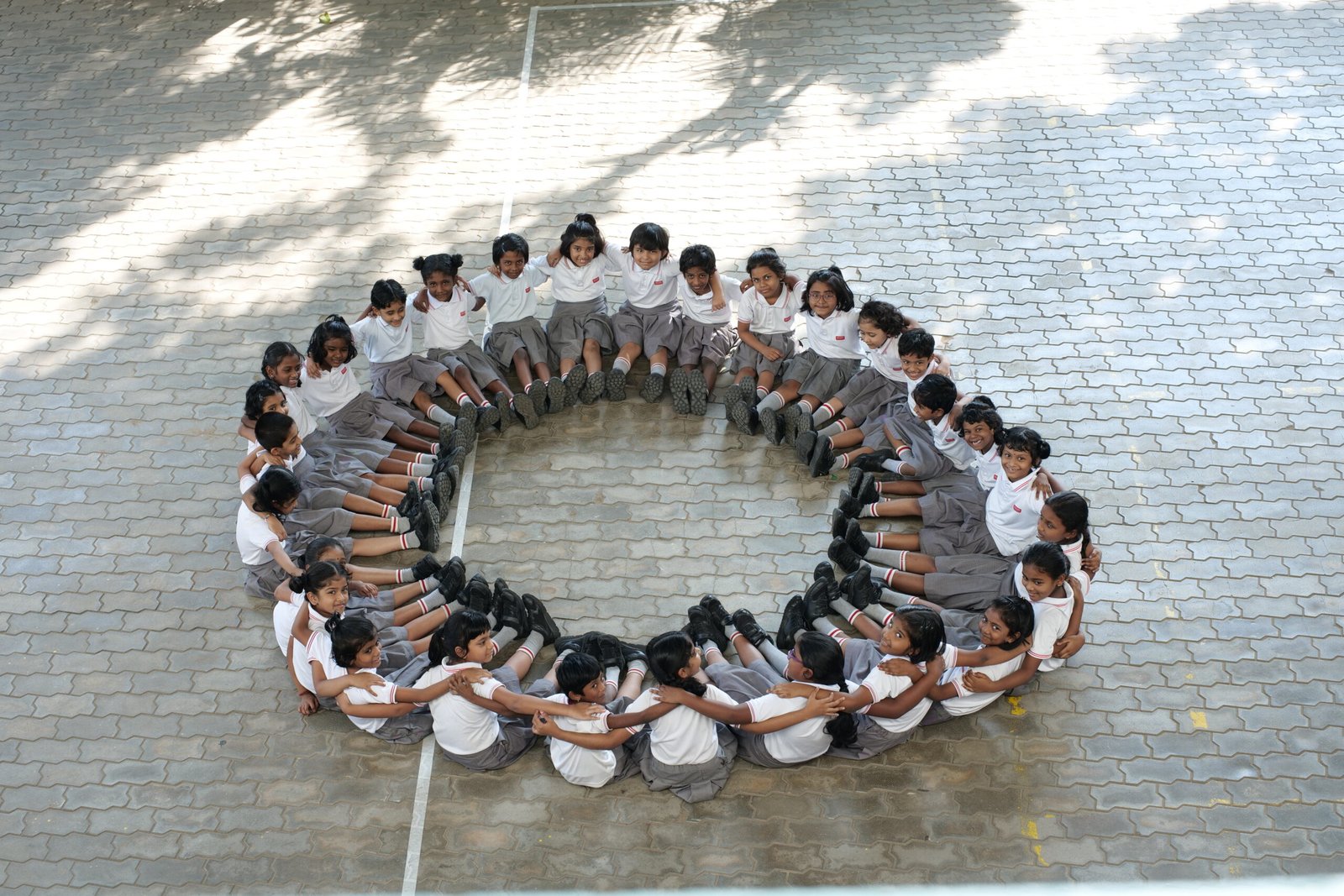
Multi-faceted activities and celebration carefully curated and administered schematically help our children develop their Socio-emotional skills. Empathy, appreciation & caring of available resources, eco-friendly practices are a part and parcel of our system.

hand
Literacy & Numeracy Skills

English

The English Curriculum is designed to help children develop listening, speaking, reading and writing skills and become proficient in the sub-skills of the language, like comprehension, vocabulary and grammar.

Mathematics

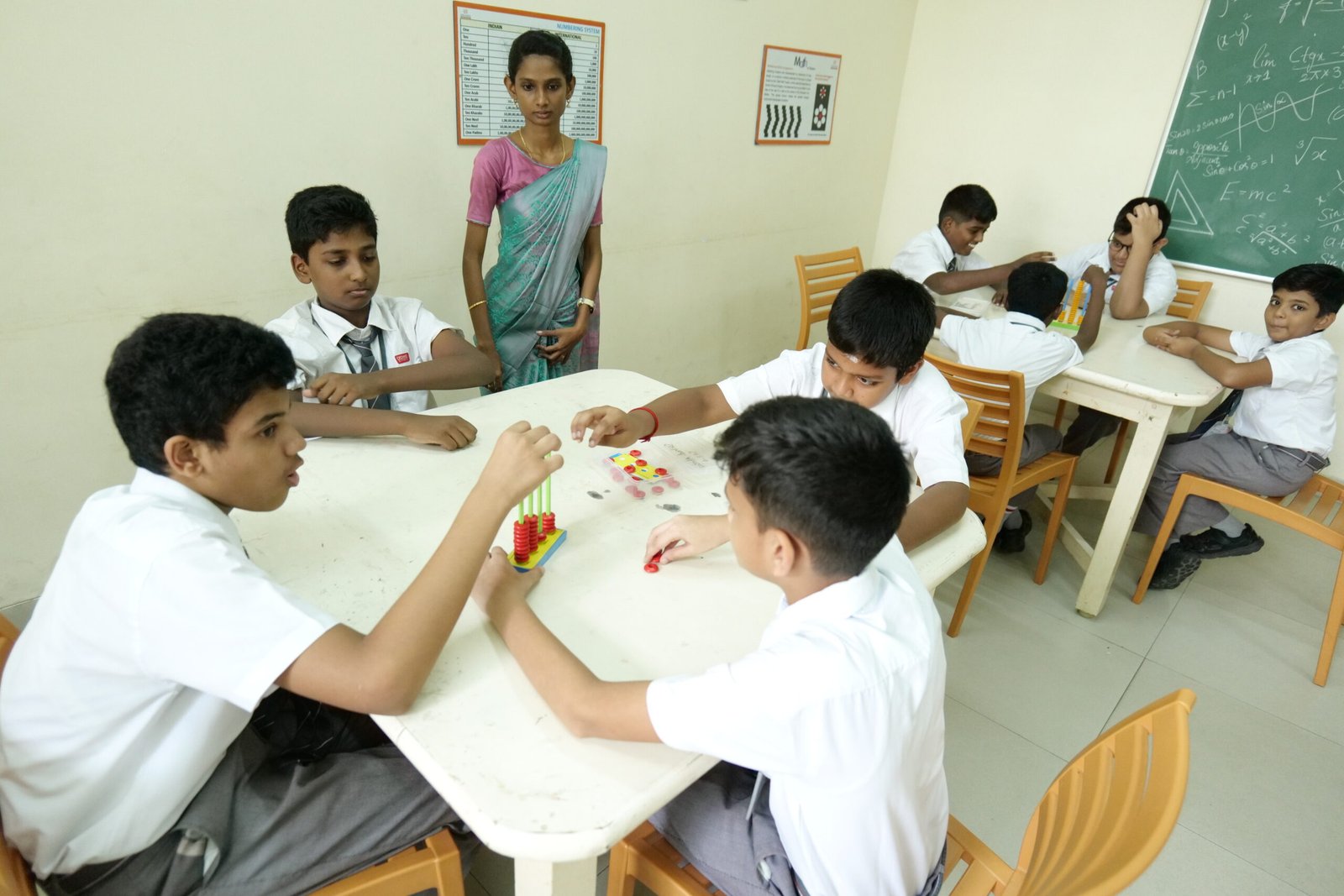
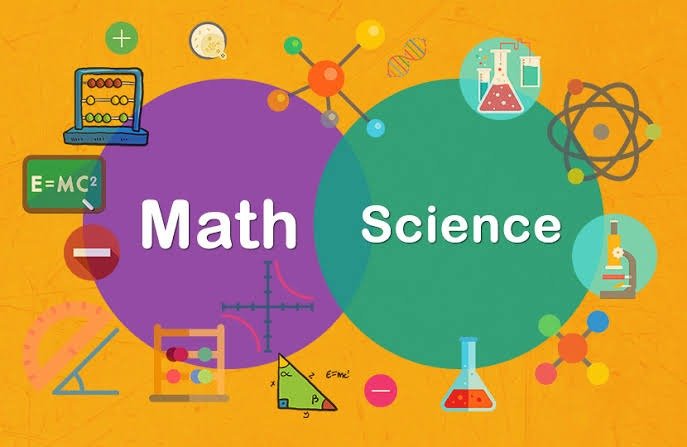
The Math curriculum is designed to help children develop mathematical thinking and quantitative reasoning problem solving skills. Children are encouraged to apply these skills to real life applications and solve problems to attain proficiency in the fundamental Mathematical concepts.

Science

The Science curriculum is offered as EVS to Grade 1 & 2 and Science as Grade 3 to 5. In grades 3 to 5, the Science curriculum encourages development of scientific temper, curiosity, analytical and critical thinking skills, through hands-on-learning.

Social Studies

The Social Studies curriculum is designed to include a range of content drawn from the disciplines of History, Civics and Geography aimed at developing analytical and critical thinking skills, inquiry, reasoning and map marking skills, besides teaching active citizenship.

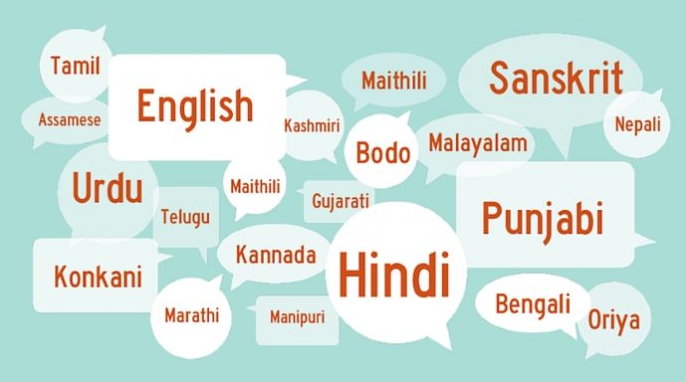
Languages

Tamil & Hindi learning with focus on:
  • Listening, speaking, reading, writing
  • Vocabulary building
  • Daily communication

Computer Science Curriculum:

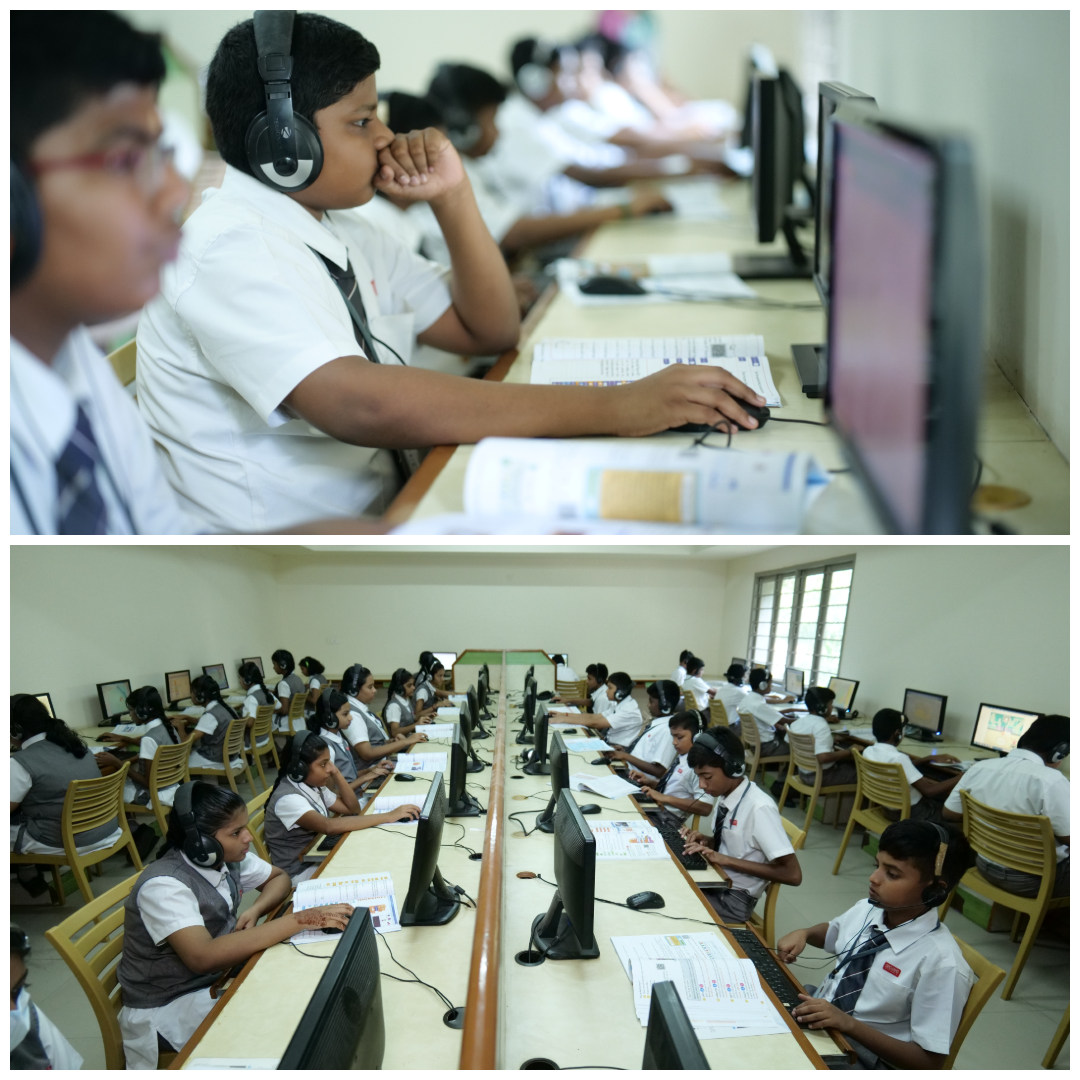
The Computer Science curriculum for grades 3 to 5 is designed to promote the use of technology to accomplish tasks, communicate effectively and securely, thereby making students become competent, responsible and critical users of technology. There is a gradual emphasis placed on developing logical and problem-solving skills.

Transition to Middle School

The transition from Preparatory to Middle School is meticulously and thoughtfully planned.